
Driving is often associated with freedom, independence, and the ability to move through life with more ease. It allows you to go where you want to go, when you want to go there. It helps you get to work, see friends, care for your family, attend appointments, take trips, run errands, and participate in the ordinary moments that make life feel full.
When driving begins to feel unsafe, overwhelming, or impossible, it can affect far more than transportation. Driver agoraphobia can slowly begin to shrink your world.
You may start avoiding highways, bridges, unfamiliar roads, traffic, long distances, tunnels, left turns, certain intersections, or driving alone. At first, the avoidance may feel practical. You may tell yourself you are just taking a different route, staying closer to home, asking someone else to drive, or avoiding one specific place. Over time, though, the list of places that feel “too hard” can grow.
What once felt like a small adjustment can begin to feel like a loss of freedom.
Driver agoraphobia is not simply a fear of driving. It is often a fear of feeling trapped, panicked, unsafe, out of control, far from help, or unable to escape while driving. For some people, the fear centers on having a panic attack behind the wheel. For others, it may involve fear of fainting, getting lost, becoming overwhelmed, causing an accident, being stuck in traffic, or not being able to pull over if anxiety becomes too intense.
From an integrative therapy perspective, driver agoraphobia is not understood as weakness, failure, or a lack of willpower. It is often a sign that the nervous system has learned to protect you by treating driving as unsafe, especially when driving has become connected with danger, vulnerability, panic, or feeling out of control.
How Driver Agoraphobia Can Begin To Shrink Your World
 One of the most painful parts of driver agoraphobia is not only the anxiety itself. It is what the anxiety begins to take away.
You may stop going places you used to enjoy. You may decline invitations, avoid family gatherings, turn down opportunities, or feel limited in where you can work, shop, socialize, or travel. You may find yourself calculating distance, road type, traffic patterns, weather, time of day, and escape options before deciding whether you can go somewhere.
Eventually, life can start to organize itself around the anxiety. You may only feel comfortable driving within a small radius. You may rely more heavily on a spouse, parent, friend, rideshare, or delivery service. You may avoid appointments unless they are nearby. You may miss out on trips, events, restaurants, experiences, or visits with people you care about because the drive feels too overwhelming.
This can create a deep sense of loss. A person may grieve the version of themselves who used to drive more freely. They may miss being spontaneous. They may miss the ease of getting in the car without thinking so much. They may miss feeling independent. They may feel embarrassed, frustrated, dependent, or trapped by something that other people seem to do without effort.
Driver agoraphobia can make your world feel smaller, not because you do not want a bigger life, but because your nervous system has begun to treat movement, distance, and independence as dangerous.
The Loss of Freedom And Independence
For many people, driving is closely tied to autonomy. It is one of the ways we participate in the world on our own terms. When driving anxiety becomes severe, it can feel like independence is being taken away piece by piece.
You may feel less able to make your own plans. You may have to ask for rides. You may feel guilty needing help. You may feel frustrated that you cannot easily take your children somewhere, meet a friend, attend an event, commute to a job, or drive to an appointment without a significant amount of planning and emotional effort.
This loss of independence can be especially painful because it may not be visible to others. From the outside, someone may simply look like they are choosing not to drive somewhere. Internally, though, they may be negotiating intense fear, body sensations, shame, self-doubt, and the grief of feeling less free than they used to.
It can begin to feel as though anxiety is making decisions for you. You may still technically have options, but they do not feel accessible. The road may be open, but your body may not feel safe enough to take it.
Why Driving Can Feel So Threatening
Driving places the body in a very specific kind of situation. You are moving at speed. You are responsible for yourself and often others. You may not be able to stop immediately. You may be surrounded by other cars. You may feel watched, pressured, or unable to fully escape. For a nervous system that is already sensitized, this can feel like too much.
The body may begin to respond with symptoms such as a racing heart, dizziness, shortness of breath, sweating, trembling, nausea, chest tightness, blurred vision, derealization, or a feeling of being disconnected from yourself or your surroundings. These sensations can be frightening, especially when they happen behind the wheel.
 Then the fear can become layered. You may not only fear driving itself. You may begin to fear the possibility of anxiety while driving. You may fear what could happen if the symptoms come back. You may fear being too far from home, too far from help, or too far from a place where you feel in control.
This is how the avoidance cycle can build. The more you avoid driving, the safer you may feel in the short term, but the more threatening driving can begin to feel over time. Avoidance can temporarily reduce anxiety, but it can also teach the nervous system that the avoided road, distance, or situation was truly dangerous.
Driver Agoraphobia Is Often About More Than Driving
In some cases, driver agoraphobia is not only about the car or the road. It may also connect to past experiences, panic attacks, trauma, medical anxiety, sensory sensitivity, chronic stress, loss of confidence, or a period of life when the nervous system was already under strain.
Sometimes the first frightening driving experience happens during a time of high stress, grief, illness, burnout, hormonal change, trauma recovery, or emotional overwhelm. The body may have been carrying more than it could process, and driving became the place where the anxiety surfaced. Other times, the fear develops after a panic attack while driving, an accident, a near accident, getting stuck in traffic, crossing a bridge, driving on a highway, or feeling physically unwell in the car. The mind and body may link that experience with danger and begin trying to prevent it from happening again.
From an integrative perspective, it is important to understand the whole person, not just the symptom. Driver agoraphobia may involve thoughts, emotions, body sensations, nervous system patterns, protective responses, learned associations, and deeper fears about safety, control, vulnerability, and trust in oneself.
Common Signs Of Driver Agoraphobia
Driver agoraphobia can look different for each person, but it often includes patterns such as:
- Avoiding highways, bridges, tunnels, traffic, unfamiliar areas, or long distances
- Feeling anxious when driving alone
- Needing a “safe person” in the car
- Mapping out routes carefully before leaving
- Avoiding places that require certain roads or distances

- Feeling afraid of being trapped in traffic
- Worrying about having a panic attack while driving
- Feeling anxious about not being able to pull over
- Staying within a small comfort zone near home
- Relying on others for transportation more than you want to
- Missing events, appointments, trips, or opportunities because of the drive
The Emotional Cost Of A Smaller Life
The emotional impact of driver agoraphobia can be significant. It can affect confidence. It can affect relationships. It can affect career decisions. It can affect parenting, social life, travel, healthcare access, and the ability to participate in everyday experiences. It can make a person feel as though their life is becoming more limited, more dependent, and less their own.
There may also be grief. Grief for the places you no longer go. Grief for the ease you used to feel. Grief for the trips you avoid. Grief for the version of yourself who could simply get in the car and leave without negotiating with fear first.
There may be shame, too. Many people with driving anxiety are hard on themselves. They may think, “I should be able to do this,” or “Other people drive every day,” or “Why can’t I just get over it?” But anxiety does not usually soften through self-criticism. More often, it softens through understanding, support, regulation, and careful rebuilding of trust.
Healing Is About Reclaiming Your World
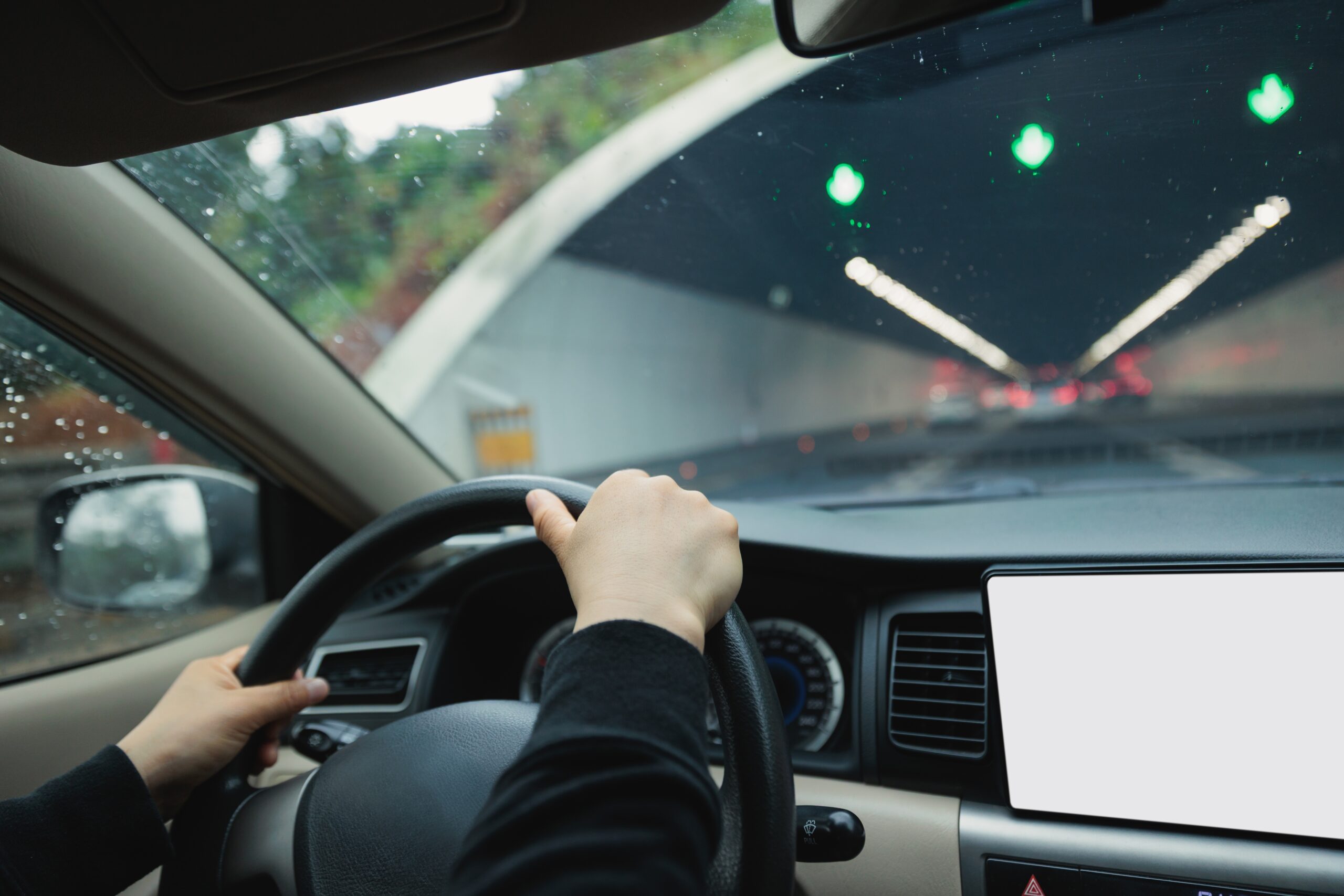 Healing from driver agoraphobia is not only about driving farther or taking a highway again. It is about reclaiming access to your own life. It is about being able to say yes to more experiences. It is about feeling less trapped by distance. It is about rebuilding confidence in your body, your mind, and your capacity to handle discomfort. It is about slowly expanding the world that anxiety has narrowed.
This process often needs to be gentle and structured. For some people, it may include nervous system regulation, grounding skills, cognitive work, exposure-based strategies, trauma-informed therapy, EMDR, ART, parts work, somatic awareness, or a combination of approaches. The goal is not to force yourself into situations before you feel ready. The goal is to help your system build enough safety, capacity, and confidence that movement begins to feel possible again.
Progress may begin with small, intentional steps, such as sitting in the car, driving around the block, taking a familiar road, practicing with support, going a little farther than usual, or learning that a wave of anxiety can rise, move through, and settle. These moments matter because they are signs that your world is beginning to open again.
Beginning To Open Your World Again
Integrative therapy can help you better understand what is contributing to the fear, how your nervous system has learned to respond to driving, and what can help you begin expanding your world again. Over time, driving can begin to feel more manageable, with greater confidence in your ability to tolerate moments of anxiety without immediately needing to escape and make choices based less on fear and more on where you want to go and how you want to live.
If driver agoraphobia or driving anxiety has begun limiting your independence, the places you can go, or the experiences available to you, I provide in-person therapy in Simsbury, Connecticut, and online therapy throughout Connecticut, New Jersey, and Vermont. You can schedule a phone consultation to share what you are seeking support with and explore whether my therapy services may be a good fit for your needs.