
If you live with dental anxiety, you probably already know it is not just about “not liking the dentist.” It can show up in your chest, your stomach, your jaw, your breathing, and the dread that starts days before the appointment. For some people, the hardest part is the anticipation. For others, it is the feeling of being reclined, not being able to speak easily, hearing the sounds of instruments, or worrying that pain, panic, or embarrassment will happen once they are there.
Because dental care is something most people need regularly, dental anxiety can quietly create a lot of stress. You might put off routine cleanings for months or years. You might cancel appointments at the last minute. You might tell yourself you will go when things are “less busy” or when you feel “more ready,” but the longer it waits, the bigger it feels. And then there is often shame layered on top of the fear. Many people feel embarrassed that something “basic” feels so hard, even though this kind of anxiety is incredibly human.
From an integrative therapy perspective, dental anxiety makes a lot of sense. It is often a nervous-system response that got learned for a reason and is now trying to protect you, even if it is doing it in a way that interferes with your health and your life. The goal is not to shame yourself into pushing through. The goal is to help your system feel safer, more prepared, and more resourced so dental care stops feeling like a threat.
In this post, I want to walk through how integrative therapy can help with dental anxiety, why this fear can feel so intense, how the anxiety cycle keeps it going, and how approaches like EMDR can be useful when there is a deeper fear history underneath it.
What Dental Anxiety Really Is
Dental anxiety is often about much more than teeth. To the nervous system, a dental appointment can involve a lot of ingredients that easily register as threatening. Such as vulnerability, loss of control, physical sensation, unfamiliar sounds, fear of pain, exposure, and not being able to leave as freely as you might want to in the moment.
From the brain’s perspective, this can be a lot all at once:
- You are in a reclined, physically vulnerable position
- Someone is working close to your face and mouth
- You may not be able to talk normally
- There are sounds, smells, and sensations that can feel activating
- You may worry about pain, gagging, choking, or panicking
- You may feel trapped by the idea that you have to “stay still” and get through it
If you have a nervous system that already runs anxious, or if you have a history of panic, trauma, medical anxiety, sensory sensitivity, or a difficult dental experience, it makes complete sense that your body may react strongly. A very important piece here is that the body’s alarm response is not proof that you are weak or irrational. It is your system trying to protect you.
Common Ways Dental Anxiety Shows Up 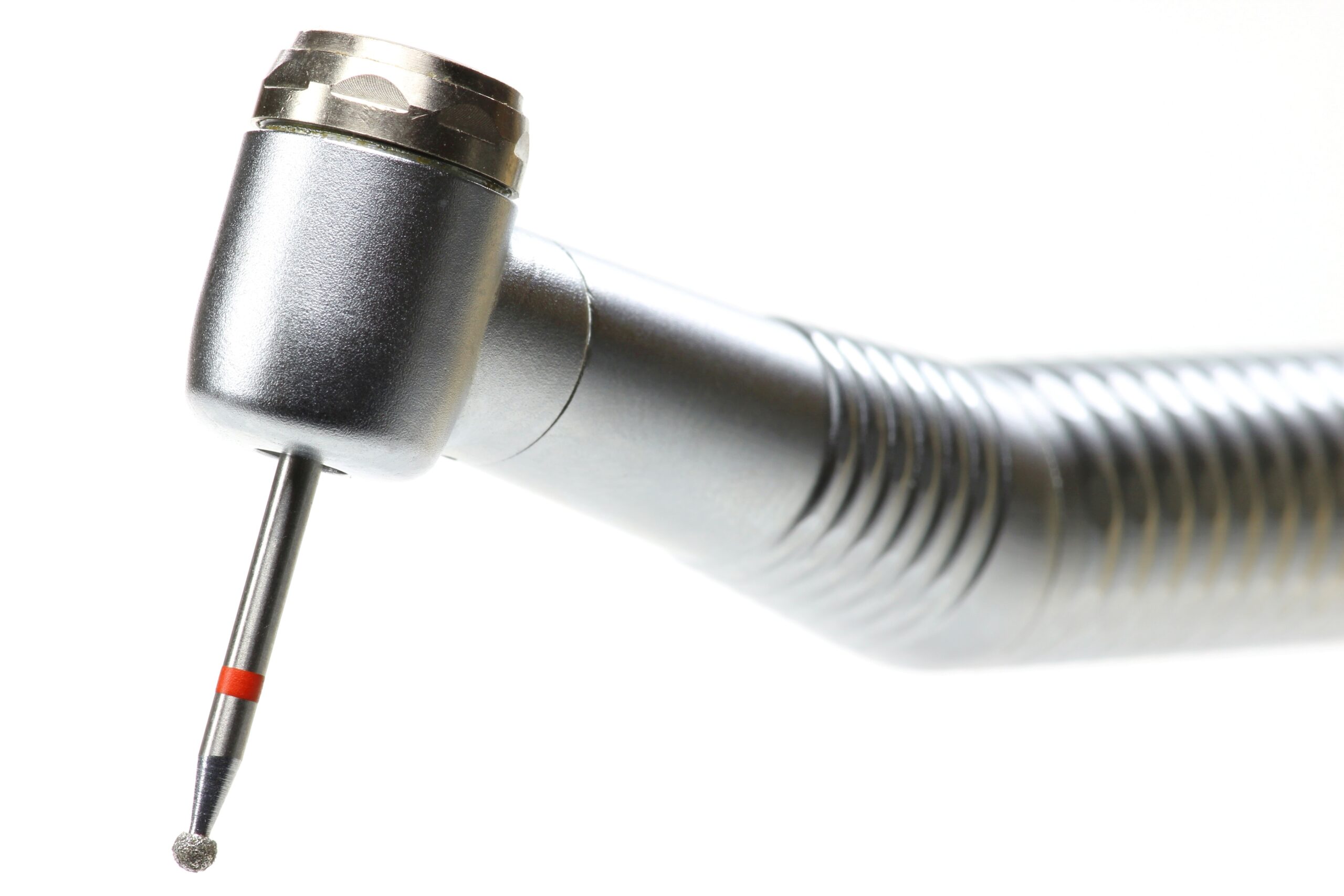
Dental anxiety can look different from person to person. Some people fear pain. Some fear needles, drills, or specific procedures. Some are fine with cleanings but panic at the thought of fillings, extractions, or even x-rays. Some people mostly fear the sensory experience, while others fear being judged about the condition of their teeth. And some people are not even fully sure what they fear; they just know their whole body says no.
Emotionally, dental anxiety can include:
- Fear of pain or of feeling trapped with pain
- Fear of panicking in the chair
- Fear of gagging, choking, or not being able to breathe
- Fear of judgment, shame, or criticism
- Fear of bad news or needing more work than expected
- Embarrassment about how long it has been since the last visit
- Anger at yourself for avoiding care
- Grief over how small this fear has made your world
The Anxiety Cycle That Keeps Dental Anxiety Going
Dental anxiety often stays stuck because it runs on a loop that feels protective in the short term.
- A trigger happens: you think about calling the dentist, receive a reminder, or arrive at the office.
- Your body activates: racing heart, shallow breathing, nausea, sweating, tension, dizziness, dread.
- Your mind interprets the activation as danger: “I cannot do this,” “I will panic,” “This will be unbearable.”
- You avoid, delay, cancel, or mentally check out.
- Relief comes quickly.
- Your brain learns that avoidance helped keep you safe.
That last part is what keeps the fear alive. Relief feels good, but it teaches the nervous system that the dental appointment really was dangerous enough to escape. Over time, even small steps can start to feel bigger. Making the appointment becomes hard. Then thinking about the appointment becomes hard. Then opening the reminder email becomes hard.
Integrative therapy does not judge this cycle. We get curious about it. We respect why it developed, and then we work gently and strategically to help your system learn something new.
An Integrative Lens: Nervous System, Meaning, and Memory
 One of the things I appreciate about integrative therapy is that it does not reduce anxiety to just thoughts or just symptoms.We look at what is happening in the body, what meaning your mind is assigning, and whether there are older experiences that may still be shaping the response.
Dental anxiety can be linked to:
- A painful or frightening past dental experience
- Feeling powerless, restrained, or not listened to in medical or dental settings
- A history of trauma where vulnerability and loss of control were central
- Panic attacks or health anxiety
- Sensory sensitivity or strong gag reflexes
- Shame around your body, your mouth, or needing help
- Chronic stress, burnout, or a nervous system that is already overloaded
Sometimes dental anxiety is really about the dentist. Sometimes it is about what the dental chair represents to your nervous system: helplessness, exposure, not having a voice, not being able to stop what is happening, or not trusting that someone will respond if you are overwhelmed.
This is why integrative work can be so helpful. We are not only focused on “just go.” We are trying to understand what your system is protecting you from and help it feel safer from the inside out.
How EMDR Can Help With Dental Anxiety
EMDR can be a powerful approach when dental anxiety is linked to a past event, panic conditioning, or a fear response that feels bigger than the present situation. If someone had a painful procedure, a dismissive provider, a childhood experience of not being listened to, or a moment of panic in the chair, the nervous system may still be reacting as if that old experience is happening again. EMDR can help the brain process those stuck memories so they become less activating in the present.
In the context of dental anxiety, EMDR may help by:
- Processing specific memories – If there was a frightening dental visit, EMDR can help the brain digest what happened so it no longer carries the same emotional charge.
- Reducing body-based alarm – Sometimes the body reacts before the mind even catches up. EMDR can help lower the intensity of the body’s learned alarm response.
- Shifting deeper beliefs – Dental anxiety often carries beliefs like “I’m not safe,” “I’m trapped,” “I can’t handle this,” or “No one will help me if I am overwhelmed.” EMDR can help those beliefs change at a deeper level.
- Building future templates – EMDR can also support rehearsing future dental experiences with more regulation, more agency, and more internal stability.
What Integrative Therapy Focuses On In Treatment
1. Building safety in the body first
If your nervous system goes into fight, flight, or freeze around dental care, we often start by helping the body feel more resourced. This may include grounding, orienting, breath support, paced exhale work, muscle relaxation, and learning how to stay connected to the present moment when activation rises.
This is not about performing calm. It is about helping your body learn that activation can be survived and does not automatically mean danger.
2. Understanding your unique triggers
We look at what specifically activates the fear. Is it the sound? The reclined position? The fear of pain? The anticipation? The shame? The not knowing? The needle? The gag reflex? When we understand the pattern clearly, we can support it more effectively.
3. Working with the meaning your mind is assigning
Anxiety is rarely only about the event. It is also about what your mind predicts the event means. “I will not be able to cope.” “I will embarrass myself.” “I will be trapped.” “I will not be able to stop it.” Therapy helps bring these predictions into the light so they can be worked with compassionately.
4. Gradual exposure, not flooding
Exposure can be helpful, but it needs to be thoughtful. Integrative therapy does not usually approach this as forcing yourself into overwhelming experiences. Instead, we look for graded, supported steps.
That might mean first talking through the appointment. Then practicing body regulation while imagining it. Then driving to the office. Then going in for a brief, low-pressure visit. Then building from there. The goal is not perfection. The goal is new learning.
5. Supporting the whole person
Integrative work also looks at the broader system. Sleep deprivation, stress, trauma load, caffeine sensitivity, hormonal shifts, burnout, and medical anxiety can all make the nervous system more reactive. This is not about blaming your habits. It is about recognizing that you deserve support at the whole-person level.
A Gentle Way To Start
If dental anxiety has been running the show for a while, starting small matters. Sometimes the first step is not the appointment itself. Sometimes it is identifying what part feels hardest. Sometimes it is writing down your fears. Sometimes it is asking the office about accommodations. Sometimes it is practicing a signal you can use to pause. Sometimes it is reminding yourself that you are allowed to advocate for your pace.
Progress in this area sometimes is quieter than people expect. It may look like making the call. Keeping the appointment. Staying present for ten more minutes than last time. Recovering with less shame afterward. Asking one more question. Remembering that your fear has a history, but it does not have to make every decision.
What Healing Can Look Like

Healing from dental anxiety does not always mean you never feel nervous again. More often, it looks like fear is no longer in charge. You can prepare without spiraling. You can feel activation and still stay connected to yourself. You can ask for what you need. You can get care without the same level of dread, avoidance, or shame.
Over time, the dental chair stops feeling like a place where you lose yourself. It becomes something more manageable, more collaborative, and less loaded with threat.
If you are living with dental anxiety and it is affecting your health, your stress level, or your willingness to get care, integrative therapy can help you understand what is happening and support your system in feeling safer. You do not have to bully yourself through it. There is another way to work with this, one that is compassionate, practical, and rooted in how anxiety actually works. If you are experiencing dental anxiety and this blog resonated with you, please schedule a phone consult to see if my integrative therapy approach would be a good fit.

Why Do I Feel Ashamed Of My Anxiety?
There are people who live with anxiety for years without telling many people how much it affects them. They may appear capable, responsible, thoughtful, or even calm from the outside. They get through the workday, show up for the people they love, make difficult...