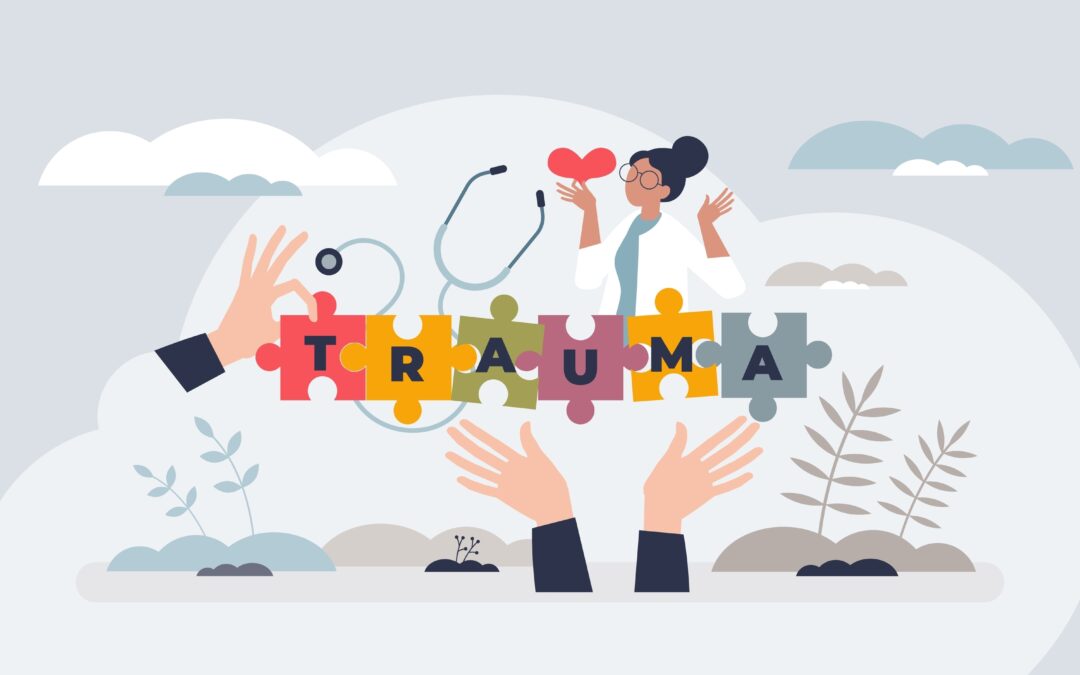
For many people, the word trauma brings up experiences like violence, abuse, accidents, or disasters. But trauma can also happen in medical settings. It can happen in hospitals, doctors’ offices, emergency rooms, dental chairs, fertility clinics, during surgeries, during childbirth, after a frightening diagnosis, or through repeated experiences of not feeling safe, heard, or in control while receiving care.
From an integrative therapy perspective, medical trauma is not only about what medically happened. It is also about how your nervous system experienced what happened. Two people can go through the same procedure and leave with very different internal experiences. One may feel supported and regulated. Another may leave feeling terrified, shaky, helpless, disconnected, or deeply altered by the experience. That does not mean one person is “overreacting.” It means trauma is not measured only by the event itself. It is also shaped by fear, vulnerability, pain, prior history, the loss of control, and whether your system felt protected or overwhelmed.
Medical trauma can develop after a single acute event, such as a frightening ER visit, a major surgery, a serious illness, a traumatic birth, or receiving life-changing test results. It can also build gradually through repeated medical experiences that leave someone feeling exposed, dismissed, powerless, or chronically on alert. For some people, medical trauma is tied to childhood medical procedures. For others, it develops in adulthood after a health scare that changed the way their body feels to them.
An integrative perspective matters here because medical trauma is rarely just “in your head.” It can affect thoughts, emotions, body sensations, relationships, and a person’s sense of safety in their own body. It can make future appointments feel threatening. It can create dread before procedures. It can intensify body scanning, panic, avoidance, sleep disruption, and mistrust. It can also overlap with health anxiety and medical anxiety, which is one reason these concerns are so often connected.
 What Medical Trauma Can Look Like
Medical trauma does not always look dramatic from the outside. Sometimes it is obvious. Sometimes it is quiet and easy to miss.
A person may replay a diagnosis conversation over and over. They may avoid follow-up appointments even when they know they need care. They may cry before bloodwork, feel panicky in waiting rooms, dissociate during exams, or become highly activated by reminders like medical smells, hospital sounds, or portal notifications. They may tense up when anyone asks about symptoms. They may have trouble trusting reassurance, or they may need constant reassurance because their system no longer feels safe with uncertainty.
Some people experience nightmares, intrusive memories, startle responses, or intense fear around anything medical. Others feel numb, shut down, detached, or strangely disconnected from their own body. Some become hypervigilant about every sensation. Some avoid their body altogether because it feels like the place where something frightening happened.
This is part of why medical trauma can look similar to anxiety. The body stays on guard. The mind starts scanning for danger. Everyday sensations can begin to feel loaded with meaning.
Why Medical Experiences Can Become Traumatic
From an integrative lens, medical trauma often develops through a combination of factors.
One is loss of control. Medical experiences often require surrendering autonomy. Your body may be examined, touched, treated, restrained, exposed, or discussed in ways that feel deeply vulnerable. You may not fully understand what is happening. You may not be given choices in the way your system needs. Even when care is necessary, the experience can still feel overwhelming.
 Another factor is fear of harm or death. A severe symptom, a sudden diagnosis, a procedure, complications, or being toldsomething might be seriously wrong can activate survival responses quickly. Once the nervous system moves into fight, flight, freeze, or shutdown, it may continue responding as though the threat is still present long after the event is over.
A third factor is pain and sensory overwhelm. Medical trauma is not only cognitive. It is sensory. Bright lights, alarms, needles, gowns, smells, physical pain, waiting, loss of privacy, lack of sleep, or being touched when afraid can all contribute to overwhelm. The body remembers sensory experience powerfully.
Then there is relational safety. Were you listened to? Believed? Prepared? Spoken to respectfully? Given choices where possible? Supported emotionally? Or did you feel rushed, minimized, judged, ignored, or left alone with fear? Even excellent medical care can feel traumatic if the human experience of it feels terrifying and unsupported. And when someone has a history of trauma, attachment wounds, chronic invalidation, or past experiences of not being heard, medical encounters can stir those layers too.
Medical Trauma, Health Anxiety, And Medical Anxiety
Medical trauma can overlap significantly with health anxiety and medical anxiety, but they are not exactly the same thing.
Health anxiety usually involves ongoing fear about health, symptoms, illness, or the possibility that something serious is being missed. A person may become highly focused on bodily sensations, interpret symptoms catastrophically, seek repeated reassurance, or feel trapped in cycles of checking and researching. Medical trauma can intensify this because once your body has experienced something frightening, it can become much harder to feel neutral about physical sensations. The nervous system starts treating uncertainty as dangerous.
Medical anxiety often centers more specifically on healthcare settings, providers, procedures, tests, results, or treatment. Someone may fear doctors’ appointments, avoid screenings, panic before surgery, dread bloodwork, or feel flooded by anything associated with medicine. Medical trauma can be one of the reasons medical anxiety becomes so intense. When the system has learned that medical experiences are linked with pain, fear, helplessness, or bad news, anxiety around care makes sense.
In other words, medical trauma can create the deeper imprint, while health anxiety and medical anxiety may become some of the ways that imprint continues to show up in daily life. These concerns often feed each other. A frightening medical event increases body vigilance. Increased vigilance increases anxiety about symptoms. More anxiety makes future medical encounters feel even more activating. The cycle becomes self-reinforcing.
That is why integrative therapy often needs to address not only thoughts, but also the body, the nervous system, the meaning the mind is assigning, and the lived experience underneath the fear.
 An Integrative View That Medical Trauma Lives In The Nervous System, Not Just The Story
One of the most important things I want people to understand is that medical trauma is not resolved simply by telling yourself, “It’s over now,” or “The doctor said I’m okay.” Those kinds of thoughts can be helpful, but often they do not reach the part of the system that still feels under threat.
Integrative therapy looks at the whole picture. We pay attention to the nervous system and how it responds to reminders. We notice whether your body moves into activation, collapse, numbness, or hypervigilance. We explore the meaning the experience came to hold. Did it make your body feel unsafe? Did it leave you feeling betrayed by your body? Did it confirm an old fear that no one will protect you? Did it create a constant expectation that something bad could happen again at any time?
We also look at practical, emotional, relational, and somatic layers together. Because healing usually does not happen through only one pathway.
For some people, this includes understanding trauma responses and learning that what they are experiencing makes sense. For others, it includes gentle body-based work to help the system come out of survival mode. For others, it may include identifying triggers, processing frightening memories, addressing avoidance patterns, and rebuilding trust with their body over time. Sometimes it also means grieving. Grieving the innocence that was lost. Grieving the period of life before their body or healthcare felt scary. Grieving the fact that a necessary medical experience still left a deep wound.
How Medical Trauma Can Affect Daily Life
Medical trauma can reach much further than appointments. It can affect work, sleep, concentration, relationships, intimacy, travel, eating, and your ability to feel at home in your body. It can make ordinary sensations feel alarming. It can create dread around routine screenings. It can lead someone to postpone important care because avoidance feels safer than activation. It can also create shame. Many people judge themselves for how strongly they react. They think they “should be over it” because the procedure is done, the results were okay, or “other people go through worse.”
But shame usually makes trauma symptoms louder, not softer.
When a person starts feeling ashamed of their fear, they often become even more internally divided. One part of them is scared. Another part criticizes the scared part. That inner conflict adds more stress to an already activated system. An integrative approach tries to reduce that internal war. The goal is not to shame the nervous system out of survival responses. The goal is to help it feel safer.
What Healing Can Involve
Healing from medical trauma does not mean pretending the experience did not affect you. It means helping your system process what happened so the present stops feeling like the past.

That may include learning grounding tools for appointments and procedures. It may include working with the body first when activation rises, rather than trying to think your way out of panic. It may involve trauma-focused approaches such as EMDR, ART, parts work, mindfulness, somatic awareness, or other integrative methods that support nervous system regulation and memory processing. It may also involve building language for advocacy, boundaries, and choice so that future care feels less helpless.
For some people, healing includes very practical support: planning scripts for appointments, identifying what helps them feel safer, bringing a support person, preparing questions in advance, asking providers to explain steps slowly, or creating a post-appointment recovery plan. These may sound simple, but they can be powerful because trauma healing is not only internal. It also includes creating experiences of increased agency and safety in real life.
Over time, healing often looks like less flooding, less dread, and a greater ability to stay present. It can mean more trust in your own internal signals and more capacity to receive care without your whole system feeling hijacked. It may not feel like perfect ease, but it often begins to feel like more room, more steadiness, and more choice.
A Gentle Reminder
If medical experiences have left you feeling fearful, hyperaware, avoidant, or disconnected, there is nothing weak or irrational about that. Your system may be responding exactly as systems respond when something felt overwhelming, painful, or unsafe.
Medical trauma is real. It can exist alongside health anxiety. It can fuel medical anxiety. And it deserves to be understood with nuance and compassion.
From an integrative perspective, healing begins by recognizing that your mind and body have been trying to protect you. The work is not about forcing yourself to “just calm down.” It is about helping your nervous system learn, little by little (some clients are built to go fast, though), that support is possible, safety can be rebuilt, and your body does not have to stay stuck in the fear of what happened before. If this blog resonated with you and your medical trauma is having you live in the past, please schedule a phone consult to see if integrative therapy would be a good fit.

Why Do I Get Stage Fright During Presentations? Understanding Presentation Anxiety
A person can know their material, care deeply about the topic, and be fully capable of presenting it well. Yet as soon as they stand in front of a room, join an important video call, or see their slides appear on a screen, something inside may shift. Their heart...