
One of the hardest parts of panic and anxiety attacks is not always the attack itself. Sometimes, it is the shame that comes afterward.
I see this in clients often. They are not only struggling with the fear, intensity, and unpredictability of what happens in their body and mind. They are also carrying the painful belief that they should be able to handle it better. They tell themselves they are overreacting, weak, embarrassing, dramatic, broken, or “too much.” Even when they know something about anxiety intellectually, there can still be a deep emotional response of self-judgment.
This shame can become its own layer of suffering.
Some clients do not just fear having another panic or anxiety attack. They fear what it means about them if they do. They fear other people seeing. They fear losing control. They fear being misunderstood. They fear being seen as incompetent, unstable, needy, or incapable. In this way, the experience often becomes much bigger than the symptoms alone. It becomes wrapped up in identity, self-worth, and the question of whether they are safe to be human in front of other people.
As an integrative therapist, I think it is important to say that shame around panic and anxiety attacks is common. It does not mean you are weak. It does not mean you are attention-seeking. It does not mean you are failing at life. It often means your nervous system is overwhelmed, and somewhere along the way you learned that overwhelm was not acceptable, understandable, or safe to show.
Why Shame Gets Attached To Panic And Anxiety Attacks
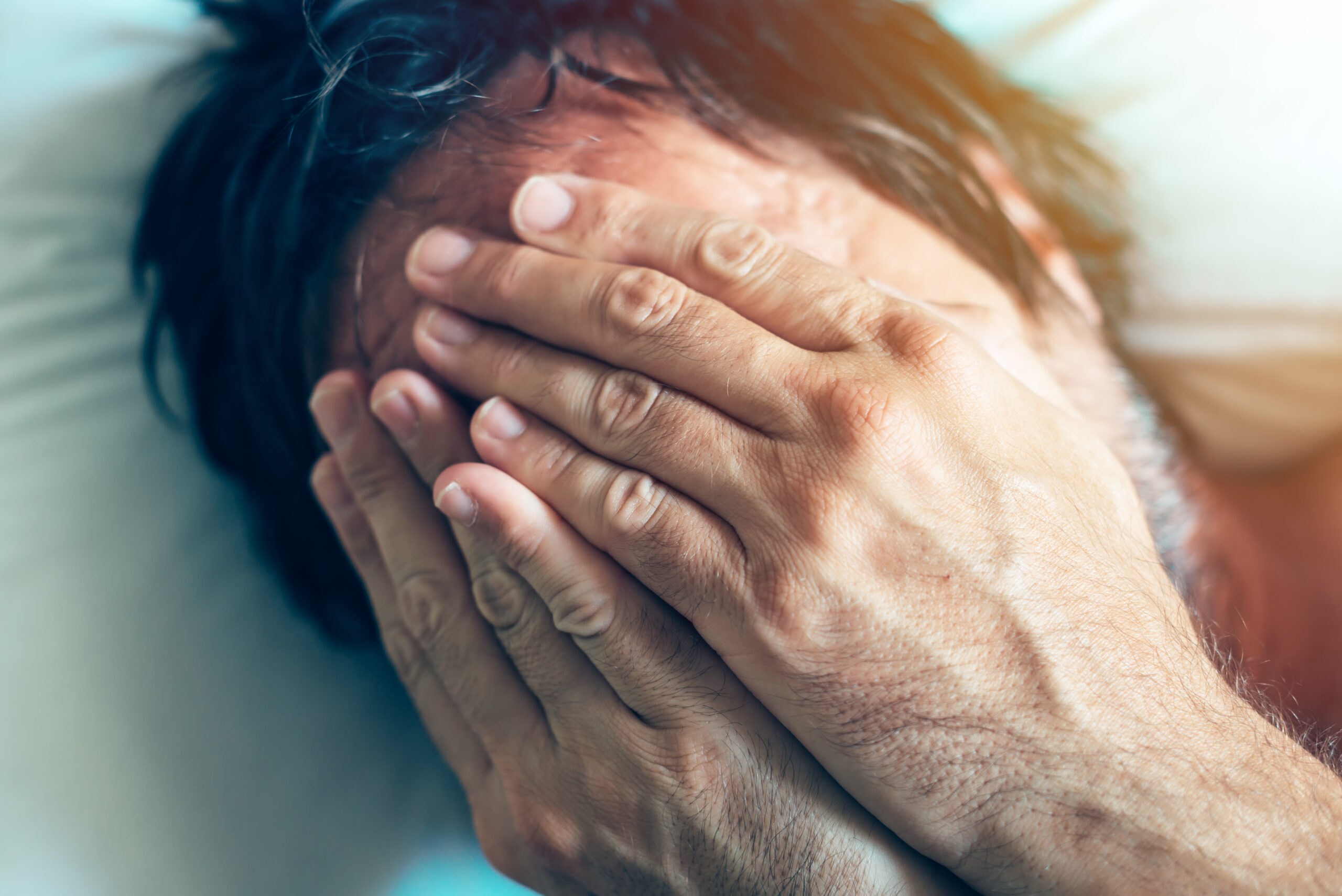 Panic and anxiety attacks can feel very exposing. The body may shake, the chest may tighten, the heart may race, breathing may change, thoughts may spiral, and the whole system can feel like it is under threat. Even if no one else notices, the person experiencing it often feels intensely visible.
For many people, this does not happen in a vacuum. The shame usually connects to a larger story.
Some clients grew up in environments where emotion was dismissed, mocked, or minimized. Some were told they were too sensitive. Some learned that being composed was the only acceptable way to move through the world. Others were praised for being high-functioning, responsible, and put-together, so when anxiety or panic shows up, it can feel like a collapse of the identity they have worked hard to maintain.
There is also the cultural layer. We live in a world that often rewards performance, productivity, self-control, and emotional restraint. So when the nervous system does something messy, visible, or disruptive, many people feel humiliation before they feel compassion.
That is why shame around panic and anxiety attacks is often not just about the attack. It is about the meaning attached to the attack. It can become:
- What if this means I can’t cope?
- What if I am not as strong as people think?
- What if I embarrass myself?
- What if I need too much?
- What if something is wrong with me?
These are painful questions. But they are also deeply human ones.
Panic And Anxiety Attacks Are Not Character Flaws
This is one of the most important shifts I can help clients make. A panic attack is not a moral failure. An anxiety attack is not evidence that you are immature, incapable, or doing life wrong. These experiences are not proof that you are deficient. They are signs that your system is under stress, under threat, or carrying more than it can metabolize in that moment.
Sometimes panic is connected to trauma. Sometimes it is connected to chronic stress, suppressed emotion, burnout, grief, health anxiety, perfectionism, or a long-standing habit of pushing through too much. Sometimes it develops after a frightening bodily experience or during a period of major life transition. Sometimes it seems to come out of nowhere, which can make it even more frightening.
But in all of these cases, the body is not betraying you because you are weak. The body is responding. That does not mean the experience is easy. Panic and anxiety attacks can be frightening and disruptive. But when we take shame out of the picture, we create room for curiosity, support, and healing.
The Hidden Cost Of Shame
 Shame tends to make anxiety worse. When clients feel ashamed of panic or anxiety attacks, they often begin organizingtheir lives around not being seen. They may hide symptoms, avoid certain places, overprepare, leave events early, isolate themselves, or stop asking for help. They may become hypervigilant about their body, constantly monitoring for signs that something is wrong. They may judge themselves harshly every time they feel activated.
This creates a painful cycle. The original anxiety is hard enough. But then shame adds secrecy, self-criticism, and loneliness. And loneliness tends to make the nervous system feel even less safe.
Shame also blocks self-trust. Instead of responding to distress with care, clients may respond with inner attack: Get it together. Stop doing this. What is wrong with you? That internal relationship matters. When someone is already scared, self-rejection usually increases the sense of danger.
This is why healing is not only about reducing symptoms. It is also about changing the relationship a person has with themselves when symptoms appear.
An Integrative Therapy Approach To Shame Around Anxiety And Panic Attacks
As an integrative therapist, I do not see shame around panic and anxiety attacks as something to lecture people out of. Usually, it needs to be understood on multiple levels.
Part of the work is educational. It can be deeply relieving for clients to learn what panic and anxiety actually are, what is happening in the nervous system, and why the body responds the way it does. Psychoeducation can reduce fear and help people stop interpreting symptoms as proof of personal failure.
Part of the work is emotional. Shame often has roots. We may need to explore where the client learned that vulnerability was unsafe, where they began equating struggle with weakness, or why being visibly distressed feels so loaded. Often, panic is not the only thing in the room. Old experiences of criticism, abandonment, pressure, or emotional invalidation may be there too.
Part of the work is cognitive. Clients may need support identifying the beliefs attached to their panic: I am embarrassing. I am too much. People will reject me. I should be able to control this. These beliefs can be gently examined and challenged.
Part of the work is somatic. Shame is not only a thought. It lives in the body too. Clients often feel it as collapse, heat, nausea, constriction, hiding, or the urge to disappear. Integrative therapy can help clients notice these states with more compassion and develop grounding tools that support regulation rather than punishment.
And part of the work is relational. Healing shame often happens in the presence of another person who is not disgusted, annoyed, or alarmed by your pain. It matters to be met with steadiness. It matters to have someone help you hold what feels unbearable without making you feel like a problem.
What I Most Want Clients To Hear
 If you feel ashamed of your panic or anxiety attacks, you are not alone. You are also not the only person who has smiledwhile struggling, left somewhere early in secret, cried in a bathroom, canceled plans out of fear, or judged yourself afterward for having such a strong response. So many people carry this privately. So many people look functional on the outside while feeling deeply ashamed on the inside.
But shame is not the truth. The truth is that your system may be overwhelmed. The truth is that you may have learned to be hard on yourself when you needed care. The truth is that panic and anxiety attacks can feel frightening, but they are not evidence that you are broken.
Healing often begins when we stop asking, What is wrong with me? and begin asking, What is happening inside me, and how can I respond with more understanding?
Because when shame softens, people often begin to breathe differently. They stop fighting themselves quite so hard. They begin to see that their symptoms are not their identity. And from there, therapy can become a place not only for coping, but for rebuilding self-trust, self-compassion, and a deeper sense of safety in their own inner world.
If panic and anxiety attacks have left you carrying shame, you do not have to hold that alone. Support can help you understand what is happening, care for your nervous system, and loosen the grip of the story that says your struggle makes you less worthy. It doesn’t. It makes you human. If this blog resonated with you and you are carrying shame around your panic attacks, please schedule a phone consult to see if I can help.

Why Do I Feel Ashamed Of My Anxiety?
There are people who live with anxiety for years without telling many people how much it affects them. They may appear capable, responsible, thoughtful, or even calm from the outside. They get through the workday, show up for the people they love, make difficult...